Crafting Cosmetics
ProGuard PE 9010
ProGuard PE 9010
Couldn't load pickup availability
Product Overview
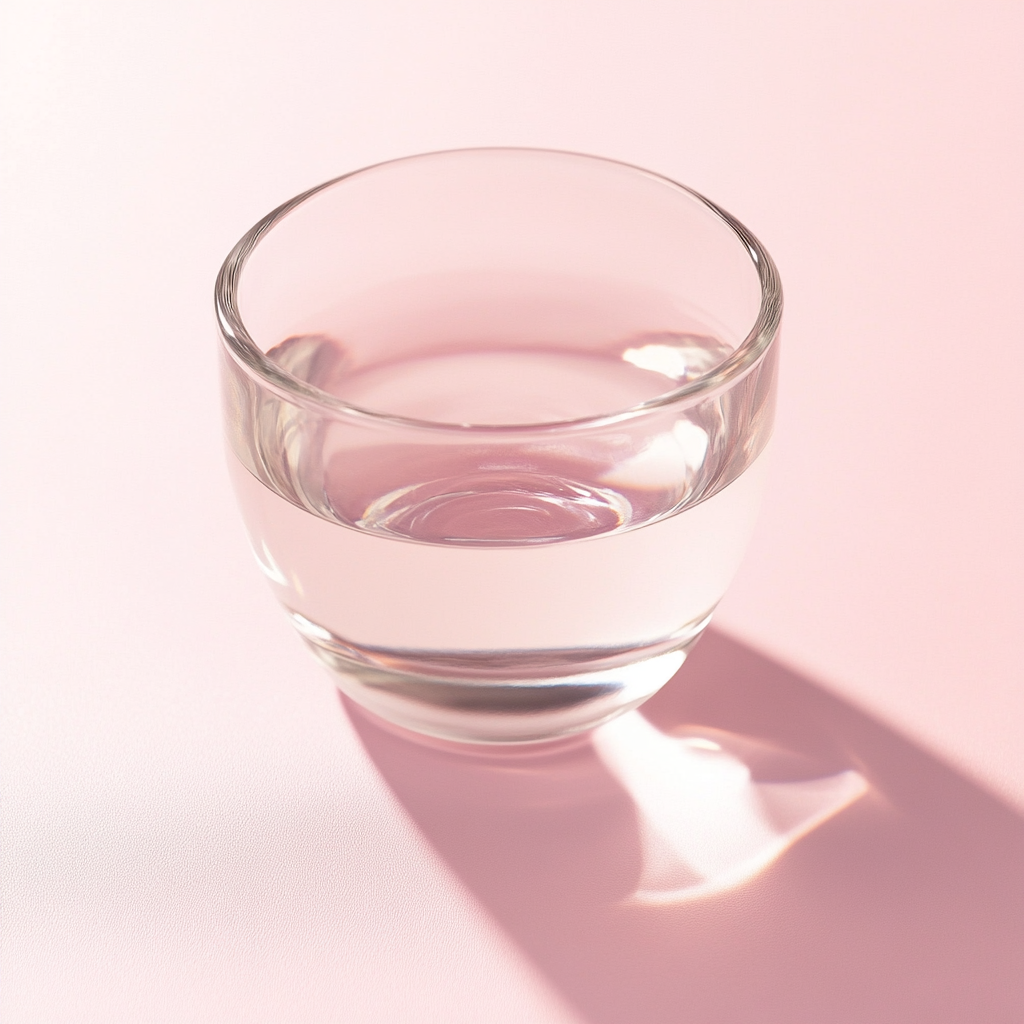
ProGuard PE 9010 is a liquid preservative blend containing phenoxyethanol and ethylhexylglycerin, designed to help protect cosmetic formulations against microbial growth. Its suitability depends on the formulation, recommended use level, and appropriate preservative efficacy testing. Although the raw material may appear clear and colorless, its compatibility and appearance should be evaluated in the finished product.
Key Benefits & Cosmetic Applications
Integrating a robust preservation system is critical for product safety, stability, and longevity. ProGuard PE 9010 offers a balanced, reliable defense against gram-positive and gram-negative bacteria, yeasts, and mold fungi, making it an indispensable cosmetic raw material for modern formulation.
- Synergistic Broad-Spectrum Protection: The addition of ethylhexylglycerin enhances the antimicrobial activity of phenoxyethanol, providing reliable defense against a wide array of microorganisms without the need for complex, multi-preservative systems.
- Formulation Compatibility: Evaluate the preservative’s compatibility with the other ingredients in the formula, particularly in transparent gels, water-based serums, and micellar waters.
- pH & Temperature Stability: Evaluate the preservative’s stability
- Skin Conditioning & Deodorizing: Ethylhexylglycerin acts as a skin-conditioning agent and deodorizing ingredient, helping improve skin feel and reduce body odor in cosmetic formulations.
- Versatile Application Compatibility: Performs exceptionally well in leave-on and rinse-off systems, showing strong chemical compatibility with anionic and non-ionic surfactants, as well as most standard cosmetic ingredients without causing discoloration.
Common Cosmetic Applications
- Transparent Gels & Aqueous Serums
- O/W Emulsions (Creams, Lotions, & Balms)
- Surfactant-Based Cleansers (Rinse-Off)
- Wet Wipes
- "Natural" & Botanical-Heavy Formulations
- Hair Care & Color Cosmetics
Technical Profile & Specifications
| Property | Specification |
|---|---|
| INCI Name | Phenoxyethanol (and) Ethylhexylglycerin |
| CAS Number | 122-99-6 / 70445-33-9 |
| Appearance | Clear, colorless to nearly colorless liquid |
| Odor | Faint, aromatic |
| Solubility | Limited solubility in water (10 g/L at 20°C); readily soluble in polar solvents such as propylene glycol, propanol, and acetone; moderately soluble in glycerin and sorbitol. |
| Functional Class / Role | Preservative |
| pH Stability Range | 3.0 — 12.0 |
| Suggested Usage Rate | 0.5 – 1.0% |
| Recommended Processing Phase | Cool-down phase |
| Shelf Life & Storage | 24 months when stored in the original container at room temperature, protected from frost, heat, and direct sunlight |
Formulation & Processing Guidelines
When formulating with ProGuard PE 9010, understanding its physical properties and compatibility matrix is key to achieving a stable, beautifully finished product.
How to Incorporate
- Recommended Phase: Add ProGuard PE 9010 during the cool-down phase of your emulsion (typically below 40°C) or at room temperature for aqueous systems.
- Pre-Solubilization: Because it has limited water solubility (10 g/L at 20°C), it is highly recommended to pre-dissolve the preservative in a polar co-solvent such as propanediol, glycerin, or alcohol before adding it to the water phase. This ensures complete solubilization and prevents cloudiness in transparent gels and serums.
- Temperature Limitations: Add during cool-down, typically below 40°C, or at room temperature; confirm any hotter processing conditions with the supplier.
Compatibility
- Surfactant Synergy: The ingredient exhibits excellent chemical compatibility with anionic (e.g., sulphates, ether sulphates, sulphosuccinates) and non-ionic surfactants.
- Incompatibilities & Limitations: Formulators should note that a high load of ethoxylated surfactants may lead to a loss of preservation efficacy.
- pH & Electrolyte Compatibility: Verify the preservative’s suitability at the target pH and salt concentration in the complete formulation. Assess preservation efficacy, color, and physical stability, as performance may vary depending on the other ingredients and formulation conditions.
- Pigment & Ion Compatibility: It shows no interaction with sulphite ions or pigments like TiO2, and does not cause discoloration in standard cosmetic formulations.
Formulation Tips
- Challenge Testing: Because preservation efficacy is highly influenced by the overall formulation matrix, always conduct challenge testing (Preservative Efficacy Testing) to determine the optimum dosage for your specific recipe.
- Production Hygiene: Ensure good manufacturing hygiene and use raw materials with a low initial bioburden to support the preservative system.
- Solubilization & Clarity Verification: After dilution and incorporation into the formulation, check for uniform dispersion, haze, cloudiness, or separation. If needed, evaluate a suitable co-solvent or adjust the incorporation method. Recheck clarity and physical stability during storage under appropriate conditions to identify any changes over time.
Suggested Applications
- Transparent hydrogels and water-based serums
- O/W (oil-in-water) emulsions and gel creams
- Sulfate-free and traditional liquid cleansers
- Hair care systems, including conditioners and scalp treatments
- Wet wipes and micellar waters
Sustainability & Ethical Profile
ProGuard PE 9010 is a preservative blend containing phenoxyethanol and ethylhexylglycerin. When used at an appropriate level as part of a properly formulated preservation system, it helps protect cosmetic products against microbial growth. Its suitability and effectiveness should be evaluated in the complete formulation through appropriate stability and preservative efficacy testing.
In alignment with Crafting Cosmetics' sourcing standards, this ingredient is vegan-friendly and cruelty-free.
Regulatory & Safety Disclaimer
Disclaimer: This product is supplied as a cosmetic raw material for external use only. It is intended for cosmetic and personal care formulation applications only and should not be used as a finished product.
Technical Documentation
Share