Crafting Cosmetics
Cocamidopropyl Hydroxysultaine (35%)
Cocamidopropyl Hydroxysultaine (35%)
Couldn't load pickup availability
Product Overview
Cocamidopropyl Hydroxysultaine (35%) is a highly effective, coconut-derived amphoteric co-surfactant renowned for its exceptional mildness and robust performance in modern surfactant systems. Valued by professional chemists for its ability to build viscosity and stabilize foam without compromising skin tolerance, it serves as a cornerstone in advanced cleansing formulations. By imparting a luxurious, dense lather and delivering elegant after-feel conditioning, this versatile cosmetic raw material elevates the sensory experience and overall efficacy of professional cosmetic formulations.
Key Benefits & Cosmetic Applications
When formulating with Cocamidopropyl Hydroxysultaine, chemists and indie beauty founders alike gain a multifunctional active that bridges the gap between high-performance cleansing and delicate skin compatibility. Its unique sultaine chemistry allows it to seamlessly integrate into diverse surfactant architectures, providing significant texture enhancement and improving the user experience of the final product.
- Superior Mildness & Irritation Mitigation: Acts as an excellent secondary surfactant that significantly reduces the irritation potential of primary anionic cleansers, making it indispensable for sensitive skin care formulations and baby product lines.
- Luxurious Foam Stabilization: Generates a rich, dense, and highly stable lather that enhances the sensory elegance of shampoos, body washes, and facial cleansers.
- Rheology Modification & Viscosity Building: Readily responds to salt curves and synergizes with primary surfactants to thicken water-based systems, reducing the need for high concentrations of traditional rheology modifiers.
- Hard Water Tolerance: Maintains robust foaming and effective cleansing capabilities even in high-mineral environments, ensuring consistent product performance across varying water conditions.
-
Skin and Hair Conditioning: Deposits a lightweight conditioning film that leaves skin feeling hydrated and provides excellent slip and manageability in hair care applications.
Common Cosmetic Applications
- Sulfate-free shampoos
- Gentle facial cleansers
- Luxurious body washes
- Baby care products
- Liquid hand soaps
Technical Profile & Specifications
| Property | Specification |
|---|---|
| INCI Name | Cocamidopropyl Hydroxysultaine |
| CAS Number | 68139-30-0 |
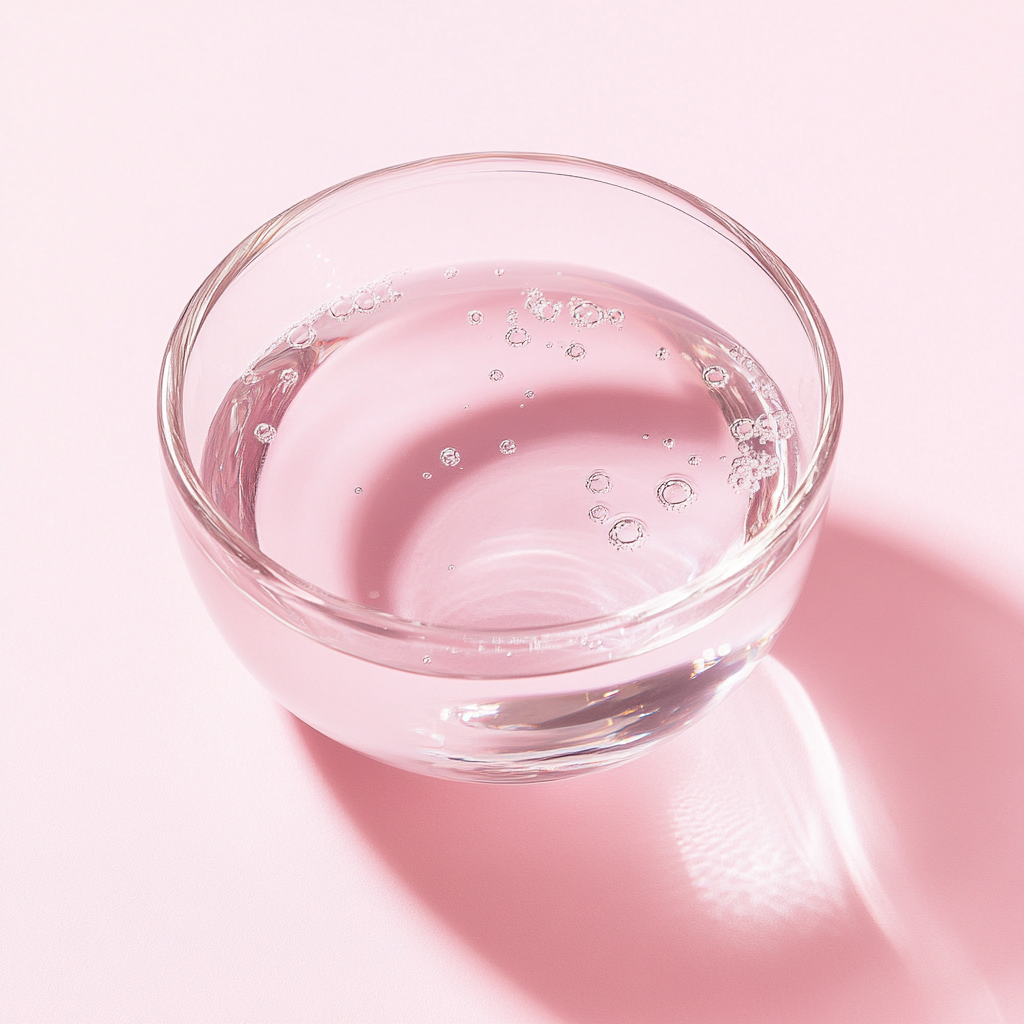
| Appearance | Yellow to yellowish clear liquid |
| Purity / Active Content | ≥ 35.0 % |
| Solubility | Water-soluble |
| Functional Class / Role | Amphoteric Surfactant |
| pH Stability Range | 6.5 – 8.0 (as a 5.0 % aqueous solution) |
| Suggested Usage Rate | 1.0% – 10.0% (up to 20% in specialized high-foam systems) |
| Recommended Processing Phase | Water phase (heated or cold process) |
| Shelf Life & Storage | 2 years. Store in a dry, ventilated place in light-resistant containers. Avoid direct sunlight, moisture, and excessive heat. |
Formulation & Processing Guidelines
How to Incorporate
- Easily disperses in water; add directly to the aqueous phase of your formulation during the initial mixing stages.
- It can be processed at room temperature or heated alongside other water-phase ingredients, making it highly adaptable to both cold-process and hot-process manufacturing.
Compatibility
- Surfactant Synergies: Highly compatible with anionic, nonionic, and cationic surfactants. It pairs exceptionally well with primary anionics like Sodium Lauryl Ether Sulfate (SLES), Sodium Cocoyl Isethionate (SCI), and Sodium Lauroyl Sarcosinate to boost foam and mitigate irritation.
- Electrolyte/Salt Sensitivity: Contains a small amount of sodium chloride (typically ~5-7%) and responds well to additional salt addition for viscosity building. However, monitor the salt curve carefully, as excessive electrolytes can cause viscosity to drop in certain surfactant systems.
- pH Limitations: Stable across a broad pH range. It maintains its amphoteric nature, shifting charge based on the final formulation pH to optimize compatibility and conditioning.
Formulation Tips
- To achieve optimal viscosity in sulfate-free systems, combine Cocamidopropyl Hydroxysultaine with an anionic surfactant and fine-tune the thickness using a controlled salt curve or a secondary rheology modifier.
- When formulating for regions with hard water, this ingredient is a highly strategic choice as its sultaine head group resists precipitation and maintains lather stability in the presence of calcium and magnesium ions.
- Because it is supplied as a 35% active aqueous solution, ensure your final active matter calculations account for the water content to achieve the desired active surfactant concentration in the finished product.
- Always add it before high-shear mixing or homogenization to ensure uniform distribution without entraining excess air, which can cause temporary cloudiness in clear gel formulations.
Suggested Applications
- Sulfate-free and low-sulfate shampoos
- Gentle, hydrating facial cleansers and micellar waters
- Luxurious body washes and shower gels
- Mild baby care products and tear-free washes
- Liquid hand soaps and pet grooming formulations
Sustainability & Ethical Profile
Cocamidopropyl Hydroxysultaine is synthesized from fatty acids derived from natural coconut oil, offering a highly renewable and plant-derived alternative to purely petrochemical surfactants. Its manufacturing process yields an active that is fully biodegradable, ensuring it breaks down safely in the environment without leaving persistent ecological footprints. By providing excellent hard water tolerance and high efficacy at low concentrations, it supports the creation of efficient, eco-conscious skin care formulations and hair care applications that meet modern consumer demands for sustainable beauty solutions.
In alignment with Crafting Cosmetics' sourcing standards, this ingredient is vegan-friendly and cruelty-free.
Regulatory & Safety Disclaimer
Disclaimer: This product is supplied as a cosmetic raw material for external use only. It is intended for cosmetic and personal care formulation applications only and should not be used as a finished product.
Technical Documentation
Share