Crafting Cosmetics
Propanediol (1,3-Propanediol)
Propanediol (1,3-Propanediol)
Couldn't load pickup availability
Product Overview
Propanediol is a cosmetic ingredient valued for its humectant, skin-conditioning, and texture-enhancing properties in cosmetic formulations. In water-based serums, moisturizers, masks, and hair care products, it helps attract moisture, improve spreadability, and create a smooth, comfortable skin feel. Its lightweight sensory profile makes it a versatile ingredient in modern skin care and personal care formulations.
Key Benefits & Cosmetic Applications
Propanediol supports formulation performance across skincare, hair care, and makeup systems. It is especially relevant for formulators seeking a naturally derived ingredient that contributes to hydration, texture enhancement, and comfortable skin feel.
- Humectant Hydration: Helps attract and retain moisture, supporting a soft, supple feel in moisturizers, serums, masks, and leave-on hair products.
- Texture Enhancement: Improves the sensory profile of formulations by supporting smooth spreadability and a comfortable, elegant finish on skin and hair.
- Active Performance Support: Helps improve the distribution and skin contact of selected cosmetic actives. Finished-product performance, including any penetration-related claim, should be validated through formulation testing.
- Versatile Application Range: Suitable for a broad range of professional cosmetic formulations, including skin care formulations, hair care applications, and makeup concepts such as foundations, lipsticks, and eyeshadows.
- Alternative to Petroleum-Based Glycols: Propanediol can serve as an alternative to petroleum-based glycols in cosmetic formulations. Claims regarding its plant-derived or corn-sugar origin should be made only when confirmed by the supplier.
Common Cosmetic Applications
- Skincare & Facial Systems
- Hair & Scalp Care Applications
- Color Cosmetics & Anhydrous Systems
- Functional Systems: Preservatives & Active Delivery
Technical Profile & Specifications
| Property | Specification |
|---|---|
| INCI Name | Propanediol |
| CAS Number | 504-63-2 |
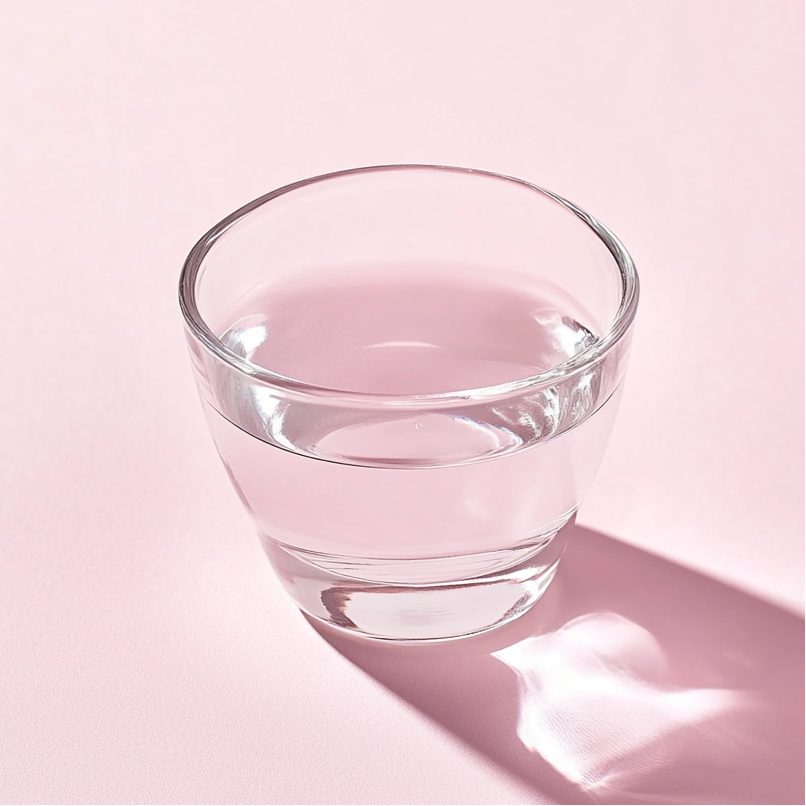
| Appearance | Transparent liquid |
| Purity / Active Content | ≥ 99.8% |
| Solubility | Soluble in water |
| Functional Class / Role | Humectant |
| Suggested Usage Rate | 1.0 – 10.0% |
| Recommended Processing Phase | Water phase or cool-down phase; confirm heat tolerance and optimal phase placement through stability testing. |
| Shelf Life & Storage |
2 years. Store in a dry place in a tightly sealed container. Avoid exposure to direct sunlight, moisture, and excessive heat. |
Formulation & Processing Guidelines
When formulating with Propanediol, practical bench testing is recommended to confirm sensory performance, stability, and compatibility within the finished product.
How to Incorporate
- Add Propanediol to the water phase of toners, essences, water-based serums, gel serums, and aqueous mask systems.
- For O/W emulsions, creams, and lotions, evaluate addition to either the water phase or cool-down phase based on the overall formula architecture and heat sensitivity of other ingredients.
- In hair care applications such as conditioners, masks, and leave-in systems, incorporate with the aqueous phase or cool-down phase and confirm homogeneity.
- In makeup systems, including foundations, lipsticks, and eyeshadows, assess compatibility with pigments, binders, waxes, and emollients during preliminary trials.
Compatibility
- Propanediol is commonly used in water-based systems and can be evaluated for use in stable emulsions, gel creams, toners, and serums.
- Compatibility with electrolytes, thickeners, film formers, pigments, and fragrance systems should be confirmed in the finished formulation.
- pH sensitivity, salt sensitivity, and interaction with other solvents or humectants should be assessed through stability and compatibility testing.
- Where compatibility data is uncertain or unavailable, formulators should conduct appropriate stability, microbiological, and packaging compatibility testing.
Formulation Tips
- Start at the lower end of the usage range to evaluate sensory impact, viscosity response, and overall skin feel.
- Combine with other water-soluble humectants to support hydration-focused serums, toners, and moisturizers.
- Use Propanediol to improve the sensory elegance of water-based serums and lightweight gel creams without overloading the formula.
- If using Propanediol to support active ingredient performance, validate final product performance claims through appropriate cosmetic testing.
- For professional cosmetic formulations, confirm batch-to-batch consistency and final formula stability before scaling production.
Suggested Applications
- Water-based serums and gel serums
- Moisturizers, creams, and gel creams
- Face masks and wash-off masks
- Hair conditioners, hair masks, and scalp treatments
- Foundations, lipsticks, and color cosmetics
Sustainability & Ethical Profile
Propanediol can serve as an alternative to petroleum-based glycols in skin care, hair care, and makeup formulations. Claims regarding its corn-sugar origin, renewable feedstock, or plant-derived status should be included only when confirmed by the supplier.
In alignment with Crafting Cosmetics' sourcing standards, this ingredient is vegan-friendly and cruelty-free.
Regulatory & Safety Disclaimer
Disclaimer: This product is supplied as a cosmetic raw material for external use only. It is intended for cosmetic and personal care formulation applications only and should not be used as a finished product.
Technical Documentation
Share